Fall 2014 Interesting Finds: True flies (Order: Diptera)

 True flies (Order: Diptera)

https://www.flickr.com/photos/34878947@N04/8502077283/in/photolist-dXinnn-YYZyM-dr7NjT-dv9Mo6-dv9Bpg-6e9bQA-mjoQmS-dN5tM4-o4VTJ9-moEyNa-bRaUtv-bRaUpP-bRaUke-Z4s9d-6CQ2gA-fmRurT-eTveuQ-nNhaHq-ehZZjp-e5MWWU-67eM8j-p6fRGL-ehXMZ2-mZzuHP-m3o21z-fGdnQr-neb9ag-n4gnQR-mmsaJw-ekRWKs-fGuXpq-7SZNgc-e1eAHK-8gtcTv-neAkct-dWQKVA-fv2JDC-qyGraW-nB8CNd-2pB5CX-fQ7BLK-hLGXGc-fGuXcQ-8MfaHQ-kn8Kce-9QigwV-e9veBa-8ZKzom-bUMFiH-bUMDZH
Non-biting Midges (Chironomidae)

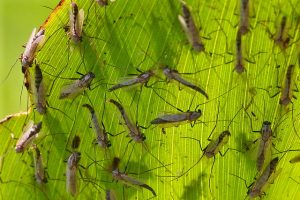
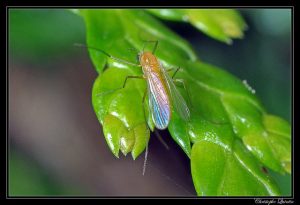
Chironomidae, commonly known as nonbiting midges, are a family of flies which can be found all over the world. A genus from this family, Limnophyes, was the most common insect during the Fall 2014 School Malaise Trap Program with 1,623 specimens being found in all 59 traps! These midges come from a very large family of insects; experts estimate that there are well over 10,000 different species of Chironomidae world-wide!

https://www.flickr.com/photos/38514062@N03/5797415109/in/photolist-9QigwV-e9veBa-8ZKzom-bUMFiH-bUMDZH-oMiWhn-fZHz4p-8tZgJR-fv5nDZ-8ZGu8P-8ZKzrQ-8ZKzij-8ZKzfG-nZ9wXd-nG9yXA-bPoGni-o7nxKA-62FgZw-4K7FfM-6TUhTH-g17GFx-d6CfyQ-6qoxpz-aZXjFK-5AbCLj-bW1tbV-661P4b-pxDXL-aZXjic-aZXiLk-oMh9wU-51WqKt-553Ma8-6Nom58-d6Cfqd-aJjJS-9p7tU5-a3NxKh-FRFFK-qyL76o-dvyuMS-dvyTht-dNkVtV-adwQy1-pRVSrM-mpeQGt-mpeP9i-mpebir-mpeM1F-qDYw6s
Non-biting Midges (Chironomidae)

Many of these species superficially resemble mosquitoes, but they lack the wing scales and elongated mouthparts which a mosquito uses to feed on blood. The larvae and pupae of nonbiting midges are important food items for fish and other aquatic organisms. Furthermore, chironomids are important indicator organisms, meaning their presence or absence in a body of water can indicate whether pollutants are present or if environmental changes have taken place. This sensitivity to environmental changes also makes chironomids a potential source of information when reconstructing past climate. Lake sediments dating as far back as 10,000 years contain the head capsules shed by chironomid larvae during development. These head capsules allow for species identification and, because chironomid species differ in their tolerances to various environmental factors such as temperature and drought, the identity and abundance of chironomid species present in the sediment indicate the climate at that point in time.

Fall 2014 Interesting Finds: Beetles (Order: Coleoptera)

Beetles (Order: Coleoptera)

Beetles are the largest group in the animal kingdom. 25% of all known animal species are beetles. 400,000 species have been described so far and many scientists believe that there are as many as 1 million beetle species on Earth. Beetles have inhabited our planet for more than 300 million years which means they were around even before the dinosaurs.

Among the 211 beetle species caught in the Fall 2014 School Malaise Trap Program were quite a few pest beetle species, especially those of the leaf beetle family (Chrysomelidae), such as the strawberry rootworm (Paria fragariae). Beetles from this family are known to feed on particular fruits and vegetables as you can easily tell from their common name.

Warty leaf beetle (Exema canadensis)

It is not uncommon for larvae in several subfamilies of Chrysomelidae to use their own excrement to form protective shields or coverings, but the warty leaf beetle’s larvae in the subfamily Cryptocephalinae take this habit to the extreme. The warty leaf beetle’s eggs hatch underneath a fecal blanket which their mother has provided for them and then the larvae proceed to use their own waste to further develop a case which they continue to add to as they grow. You may think that this practice is unpleasant; however, this casing serves a very important function. Warty leaf beetles are able to avoid observation and detection from predators due to the fact that their specialized casing resembles caterpillar frass (caterpillar poop).

https://www.flickr.com/photos/treegrow/14207190032/in/photolist-mYK2Lg-2XHfmK-qhrcXm-nDryCh-ccb66w-p1W9qh-8hyteE-bptdyL
Warty Leaf Beetle

Warty leaf beetle species are typically very host plant-specific and most species primarily use only a single host plant genus or even a single species to feed and live on. Congratulations to Camp Heidelberg for collecting the only species (Exema canadensis) of warty leaf beetle ever obtained during the School Malaise Trap Program.

Fall 2014 SMTP Interesting Finds: True flies (Order: Diptera)

True flies (Order: Diptera)
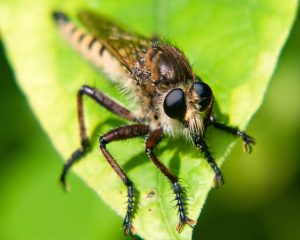
Robber flies, also called assassin flies, belong to the family Asilidae. They are powerfully built and have notoriously aggressive predatory habits. They feed mainly or exclusively on other insects and as a rule they wait in ambush and catch their prey in flight.

Robber Fly on Leaf
Robber Fly on Leaf

These predators can be recognized by their usually bearded face and a concave top of the head between the eyes. Robber flies range in length from 1-5 cm, with the females being larger than males.

The fly attacks its prey by stabbing it with its short, strong proboscis (straw-like mouth part) injecting the victim with saliva containing toxic enzymes which rapidly paralyze it and soon digest the insides; the robber fly then sucks the liquefied material through the proboscis.

Stichopogon trifasciatus

You might hear this species before you see it, as it departs its perch with a loud, buzzing flight, quickly landing again nearby, usually on a vertical branch or twig.


Only one species of robber fly was collected during the program at St. Augustine Catholic Elementary School. Congratulations on this interesting find!

Fall 2014 SMTP Interesting Finds: Pseudoscorpions (Pseudoscorpiones)

Pseudoscorpions (Pseudoscorpiones)

Pseudoscorpion (Pseudoscorpiones)

Pseudoscorpions are a type of arachnid, meaning that they are not insects, but are closely related to spiders. They are named “Pseudo” scorpions because they have pincers that resemble scorpions, but do not have a tail and stinger. They can be found anywhere from a tree canopy, to somewhere in your home where they feed on the larvae of some household pests. They can also be found in leaf litter, where they feed on other tiny arthropods. Males use chemicals known as pheromones, and a fancy dancing behaviour, to attract females to mate. These arachnids construct a silken cocoon which they use to protect themselves during the winter. Pseudoscorpions occur all over the planet, but are rarely collected in Malaise traps. In total, only one specimen was collected during the Fall 2014 School Malaise Trap Program, by Chesley District Community School. For an interesting video of a pseudoscorpion hunting, click here.

Fall 2014 SMTP Interesting Finds: Stoneflies (Order: Plecoptera)

Happy New Year from everyone here at BIO!

Brrrrrr it’s getting cold outside, and what better way to kick off the year than with an insect order which contains a few species who genuinely enjoy the cold (to an extent!).  Meet the stoneflies!

Stonefly (Leuctra sp.)

The Plecoptera are an order of insects, commonly known as stoneflies. There are approximately 3,500 species found worldwide, except in Antarctica. Almost all species of stoneflies develop as nymphs in clean, moving water and are intolerant of water pollution. Their presence in a stream or still water is therefore a good indicator of excellent water quality. Once hatched from the eggs, stonefly nymphs usually complete their development within a year, but many take longer. Some larger species may spend two to three years as nymphs before crawling out of the water as adults.

Flickr Creative Commons CC Kris & Fred
Taeniopteryx – Winter Stonefly by Kris & Fred

Once they emerge from the water, adult stoneflies will usually spend their lives within close proximity to the water’s edge. Unlike the outstretched wings of dragonflies and damselflies, stoneflies fold their wings neatly against their backs when at rest and are generally not strong fliers.  The name “Plecoptera” literally means “braided-wings”, from the Ancient Greek plekein (« to braid ») and pteryx (« wing »). This refers to their complex pleated, or fanlike broad hind wings.

Congratulations to Carleton North High School for collecting the only species of stonefly found during the Fall 2014 School Malaise Trap Program!