This is our blog update on our Malaise trap. Our catch volume is about 3 and we are on week 2. It was a bit cold when we checked the trap. Our trap will be picked up on Friday.
Blog you later alligator (ha ha)!!!!!!!!!!!

This is our blog update on our Malaise trap. Our catch volume is about 3 and we are on week 2. It was a bit cold when we checked the trap. Our trap will be picked up on Friday.
Blog you later alligator (ha ha)!!!!!!!!!!!
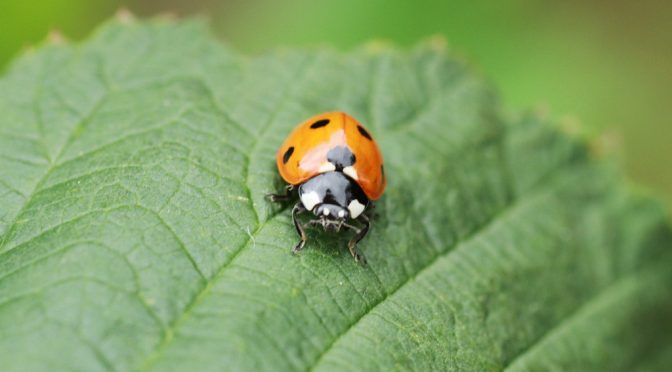
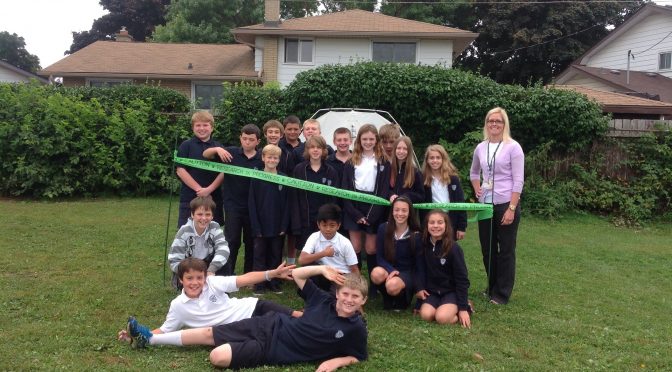
The count is in the 30’s after a mid-week count yesterday at St. Ignatius of Loyola in Guelph. New additions include 2 ladybugs this time. We are happy to see some diversity! We are going to say goodbye to the trap tomorrow with the class by doing a photo shoot.
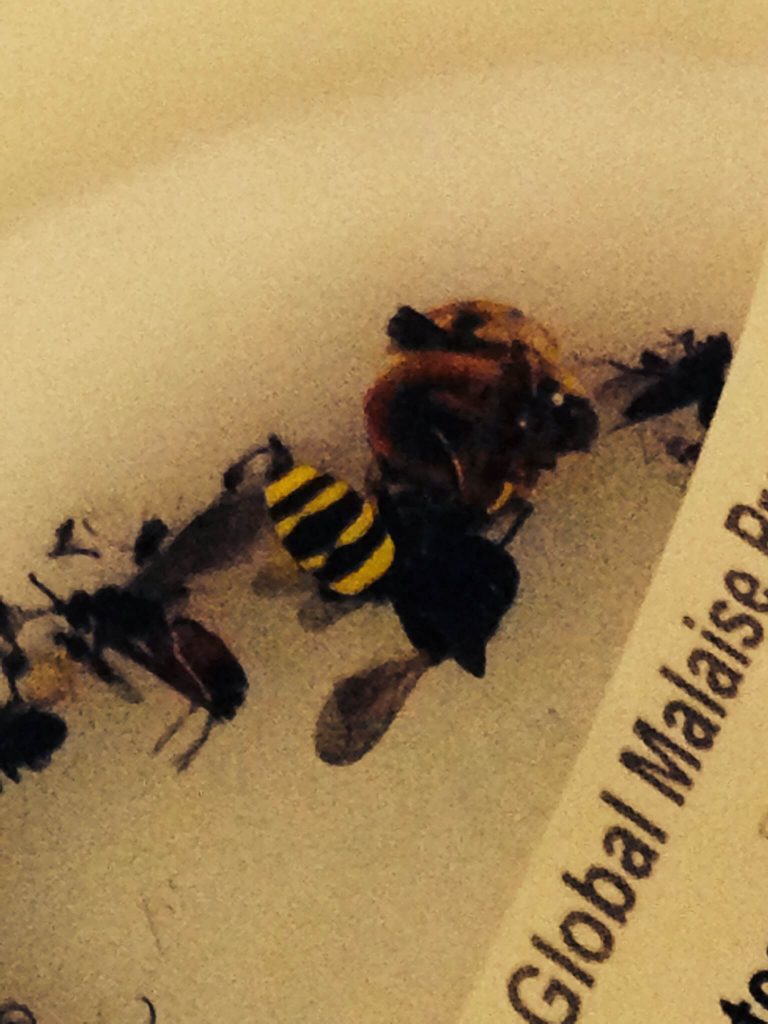

This is the amount of insects we got for the first week. It wasn’t much, but we hope to get more the second week.The area we put it in has an abundance of creatures of all different kinds (we saw a red admiral butterfly before we went to set it up!) We showed our project to a younger class in our school and they got so excited!This is a great program and all the kids in our school want to participate!

Jack Chambers PS has sent us a #SMTPselfie! Great Picture!

MOTH AND BEE–About 5-7 more insects were caught yesterday while it damper and colder at St. Ignatius of Loyola. Although it was a slower day, new additions include: a bee and a small type of moth. The moth is something we have not had before so the variety has been really interesting for us to see.

Hello BIO! We were late on yesterday’s blog but this is a catch up. The catch volume so far this week is at about 2 it’s going at about the same pace as last weeks catch volume. Today is a very wet day so that hopefully will bring in a new species of insect! We will update you tomorrow on how it is going.
This blog was written by Daniel & Liam

Good afternoon,
St. Ignatius of Loyola in Guelph collected 10-15 insects on Monday. Some new additions include: small fruit flies, and a black-and-white beetle. Several black flies were caught again. We are looking forward to see what the week will bring in terms of collection with this damp weather. Take a look inside!
We saw a wasp on Monday, September 22, when we first went there, but the bottle wasn’t in the Malaise Trap yet. Then, on Friday when we had the bottle on, we caught some insects like a wasp and lots of flies.
We love the program and this Malaise Trap Program is fun because we are learning about insects. Flying insects go in the trap then die. We caught lots of them last week and we might catch more insects this week.
We put our Malaise trap up on Monday, September 22. The insects will fly right up to the top of the trap and there is a hole at the top and the bottle is attached to the hole.
There is ethanol in this bottle so the insects get trapped in the bottle and die.
On Friday, September 26, we took it down to see how many insects we have caught.
The ethanol in the bottle, believe it or not, actually changed colours!!! It was sort of a brownish colour instead of being clear. Most of the bugs were dead at the bottom of the bottle along with some floating insects. The floating insects looked like they were swimming. I think it’s because they just got in the bottle over night so they are probably just making their way down.

Today, September 29, we went back to the location where we have set up the Malaise Trap. Because the cloud coverage was only about 3%, I thought we wouldn’t catch many bugs. Usually there are insects flying in my face every day. But today there were no insects in the air. That’s why I predicted we wouldn’t catch lots of insects today! We found 2 ladybugs around the tent though, so maybe we will catch some crawling critters, such as: ladybugs, spiders, or maybe even beetles. Because those bugs can crawl up the net right into the bottle, as they look for shelter when the weather is rainy.
On September 22 our grade five class took a five minute walk from Evergreen Elementary School to our science teacher’s yard to attach the ethanol to the trap.
The trap was bigger than I thought.
We use ethanol to preserve the insects. It is important how we handle it because ethanol is very dangerous, poisonous and flammable. If we didn’t use ethanol the insects would naturally dissolve or decompose, and the research biologists wouldn’t be able to take a good enough tissue sample.
We were the first class to attach it. Because of that there were no insects. Yet there was one that had found it’s way into the top bottle.
I think it is a very clever program. I find it very intriguing and interesting, especially because the DNA barcodes can be used to prevent fish fraud!