BIO is heading to STAO: Join Us In Inspiring Innovation!

Banner400Each year, the Science Teacher’s Association of Ontario hosts an interactive and educational three day STEM conference in Toronto for elementary and secondary teachers from across Ontario. This year, the Biodiversity Institute of Ontario’s (BIO) Education & Outreach Team will be in attendance and will be presenting two workshops regarding the School Malaise Trap Program (Friday, Nov. 14th, 3:45-4:45pm – Session #2510) and DNA Barcoding applications for the classroom (Thursday, Nov. 13th, 8:30 – 9:30am – Session #1013). We are extremely excited to be able to participate and contribute to such a passionate community of STEM educators!

This year’s STAO conference theme is “inspiring innovation” and was chosen in order to “help science educators in Ontario better understand the significance of STEM education and how it can prepare students for a rapidly changing global world.” We could not have said it better ourselves, as we too have a deep connection to these values!

DNA Barcodingibol2, a genetic technique used to identify species, is a relatively new addition to the Ontario curriculum. Its applications are far reaching, and astounding initiatives have been created through utilizing this technology – most notably, the International Barcode of Life project (iBOL). This project is the largest biodiversity genomics initiative ever undertaken and aims to create a barcode reference library (BOLD) of all the species found on earth.
LifeScanner
LifeScanner Kit

Feeling inspired and innovative yet? We thought so! The best part about the International Barcode of Life project is that anyone can contribute to it, as well as access the data (found online at BOLD). Classroom projects and programs ranging from DIY lab studies, participating in the School Malaise Trap Program, and submitting a LifeScanner kit for analysis are some of the many ways that students can contribute valuable data to iBOL!

Through these innovative citizen science initiatives, BIO hopes to inspire students to contribute to, and prepare for, a bioliterate future.  Although we live in a fast-paced and rapidly changing world, DNA barcoding is a key piece of technology that will help us to slow down and truly assess, protect, and monitor all levels of biodiversity found around us.

Announcing the #SMTPselfie Winners!!

LifeScanner
LifeScanner Kit

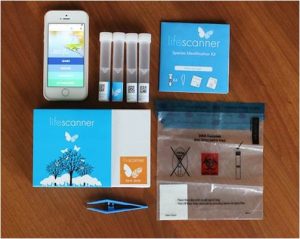
We are pleased to announce the winners of our #SMTPselfie contest! Thank you to all who entered, and don’t worry…we’ll have another contest as soon as you receive your School Malaise Trap Program results! The winners for the #SMTPselfie contest will receive a LifeScanner Kit which is a new tool for exploring the biodiversity around you. This species identification kit will allow students to fill four vials with a whole organism or a piece of tissue and send it back to BIO for analysis!

And without further ado…the winners of the #SMTPselfie contest are:

1) Jack Chambers Public School

2) St. Charles College

3) Forest Avenue Public School

4) St. Paul Elementary School

5) Monsignor Doyle Catholic Secondary School

Congratulations to the winners, and a big thank you to all who participated! The LifeScanner Kits have been mailed and are on their way to you!

We look forward to sharing the School Malaise Trap Program results with you soon!

Standardized Sampling at its Finest!

Take a look at how the BIObus crew sets up a site for Standardized Sampling! This was taken at a rainforest site in Pacific Rim National Park Reserve in 2014. Watch Kate, Joey, Graham, and Danielle deploy a Malaise trap, flight intercept trap, pan traps, and pitfall traps before finally sweep netting the area for 5 minutes and settling down to aspirate all the insects.

Here come the DNA barcodes!

The School Malaise Trap Program samples have all been databased, counted, sorted, and tissue sampled, as we learned in the latest blog post from the Collections Unit at the Biodiversity Institute of Ontario. Those plates of tissue samples were then passed on to the another unit in BIO — the Canadian Centre for DNA Barcoding. It’s here that the samples go through several laboratory stages (DNA extraction, PCR amplification, cycle sequencing, and sequence analysis) to determine the DNA barcode of each specimen. This lab work is well underway, and we’re happy to report that the very first SMTP DNA barcodes have come off the sequencer and have been submitted to the Barcode of Life Database (BOLD). At of the time of this post, there are over 1300 barcodes now online, with several thousand more to come over the next two weeks!

If you’re like us and you just can’t wait to see an example of what’s living in the SMTP schoolyards, here’s one of the first DNA barcodes to come off the sequencer:

ACTTTATATTTTATATTTGGAGCTTGATCTGCTATAGCTGGAACAGCTATAAGAATTTTAATTCGAATGGAATTAGGACAGTTAGGATCTTTTTTAGGAGATGATCAATTATATAATGTTGTAGTAACTGCTCATGCTTTTGTTATAATTTTTTTTATAGTAATACCAATCTTAATTGGTGGTTTTGGAAATTGATTAGTTCCATTAATATTAGGAGCACCTGATATAGCTTTCCCTCGAATAAATAATTTAAGATTTTGACTTTTACCTCCTTCTTTATTTTTATTATTTATATCTTCTATAGTGGAAATAGGAGTTGGTGCTGGATGAACTGTGTATCCTCCTTTAGCATCAGTTATAGGACATGCTGGAAGTTCAGTTGATTTTGCTATTTTTTCTTTACATTTAGCTGGAGTATCTTCAATTATAGGAGCTATTAATTTTATTTCTACAATTATTAACATACGCTTATTTAGAATATCTATGGAAAAGATTCCTTTATTTGTATGATCAGTATTAATTACTGCTATTTTATTATTATTGTCTTTACCTGTATTAGCAGGTGCTATTACTATATTATTAACTGATCGAAACTTTAAT

Victoria prepares a PCR reaction in the Canadian Centre for DNA Barcoding

This mystery specimen was collected in the malaise trap deployed by our friends at College Notre-Dame in Sudbury. If you go to the BOLD Identification Engine and paste the DNA sequence in the text box, then hit submit, it will tell you what the sequence matches to in our extensive DNA barcode library. Voilà — you know what species was collected! Give it a try, and if you did it correctly, the identification should be this species (SPOILER ALERT!).

Step 1: Sorting and Imaging your Samples

Hello School Malaise Trap Program participants,

So far, our Collections team here at BIO has provided you with amazing first-hand accounts of what happens to your specimens once they arrive at our facilities to be DNA barcoded. During this blog post, we are going to show you what our facilities and the DNA barcoding process looks like.

Below, you will find an educational video which explains the first steps towards ultimately obtaining a DNA barcode – sorting and imaging your specimen.

Stay tuned for our next video which will showcase our lab and sequencing processes!

Processing Malaise Traps from Schools Across Canada

The Collections team has worked hard the past 2 weeks sorting and preparing samples collected from schools around the country for this fall’s School Malaise Trap Program. Our first step was to count the specimens in each sample bottle and our grand total from 59 schools was 61,052 specimens! Our team then sorted through all those specimens to choose a select number from each school to represent the diversity found at all locations. We choose 16,045 specimens for DNA barcoding.

A large spider from the malaise trap samples

There was plenty of diversity of organisms found, ranging from 5 classes of animals – Insecta (insects), Arachnida (spiders, mites and their relatives), Gastropoda (snails and slugs), Diplopoda (millipedes), and Collembola (springtails). Within the insect group we revealed 14 orders including the more common Diptera (flies), Hymenoptera (wasps, bees, and ants), Lepidoptera (moths and butterflies), Coleoptera (beetles) and Hemiptera (true bugs). Some uncommon insects found were one odonate (dragonfly) from St. Ignatius of Loyola Catholic Elementary School in Guelph, Ontario and one plecopteran (stonefly) from Carleton North High School in Florenceville-Bristol, New Brunswick.

An array of pinned specimens ready to be sampled for DNA barcoding

The next step is the DNA barcoding process in the lab where DNA is extracted, amplified and sequenced to give us our barcodes for each specimen. We target a specific piece of DNA that can help us identify what we found. The sequences are uploaded to our online database BOLD and compared to known sequences to confirm identification of the specimens.

Results will start pouring in the next few weeks… I wonder what school will have the highest diversity? What school collected the most specimens? Who discovered a new species?

Week One: Sorting, sorting, and more sorting

Hello School Malaise Trap Program Participants!

After 1 week of processing, we are already 85% done! It’s been quite a busy week on our end, counting and observing all the amazing bugs that were collected in your school backyard. We have already counted more than 55,000 specimens and more to come! Some schools did collect quite a fair bit of insects in their trap as you can see in the photo below!

Samples

There is still more processing to be done and more plates to be sent to the lab, but we can’t wait to receive all the sequences back to share our discoveries with you!

Malaise Trap Walk

We did the School Malaise Trap Program. I am telling you about my walk to the trap.  It was quick and there were a lot of leaves.

There were lots of homes; too many homes and they were big homes, almost too big. Miss Manicom’s backyard is where the trap was. We went through the the back and it was fun.

leaves

After the walk, we saw the trap. It had no bugs when we put the bottle on but after a couple of days we had more bugs. We received two bottles, one for week one and one for week two. It has been 2 weeks already and we have sent the bottles back to BIO in Guelph. In a few weeks, we will see how many insects and how many different kinds of insects we caught.

Samples are Arriving at BIO!

Hello School Malaise Trap Program Participants!

We are happy to say that we have received almost all of your Malaise trap samples for the Fall 2014 program! The rest of the samples are on their way, and we can’t wait to see what you have all collected.

Once your samples arrive at BIO, they go straight to our Collections unit, where they will be sorted by insect Order. As you can see from the photo below, this can be quite a long and meticulous process.

20141008_124327

Stay tuned for an update from our Collections unit soon!

Bringing Biodiversity to Canada's Schoolyards