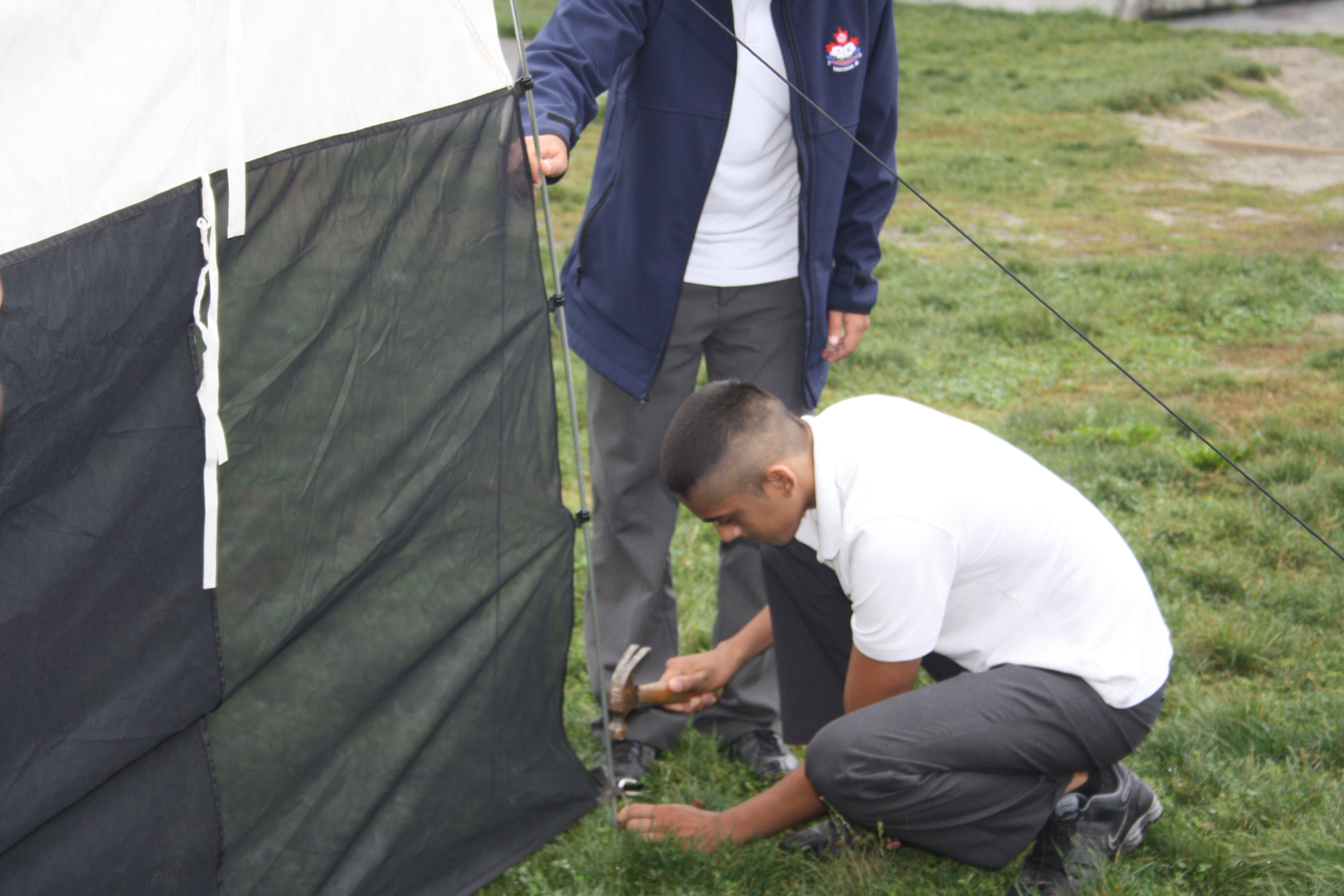
Teamwork! Rothesay Park School setting up their Malaise trap!
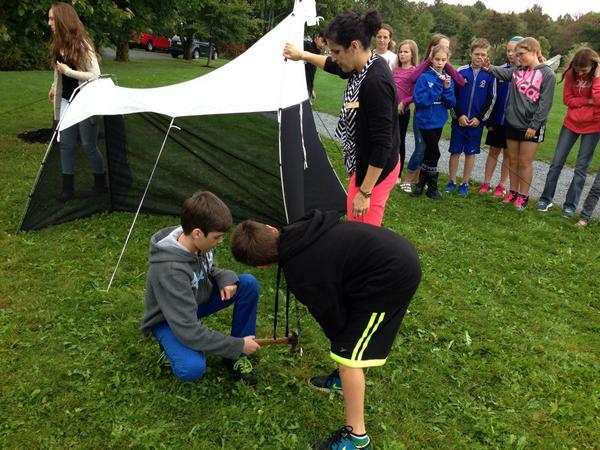

Teamwork! Rothesay Park School setting up their Malaise trap!
Hello All,
Vanessa here! Today Emily and I went out to change the bottle on the Malaise trap that we have set up in front of the Biodiversity Institute of Ontario (BIO). We have had this trap out all summer and mainly use it for educational purposes, such as teaching school groups about insect trapping methods. The last time we changed the bottle was approximately two weeks ago and we were thrilled to see that the bottle was quite full!
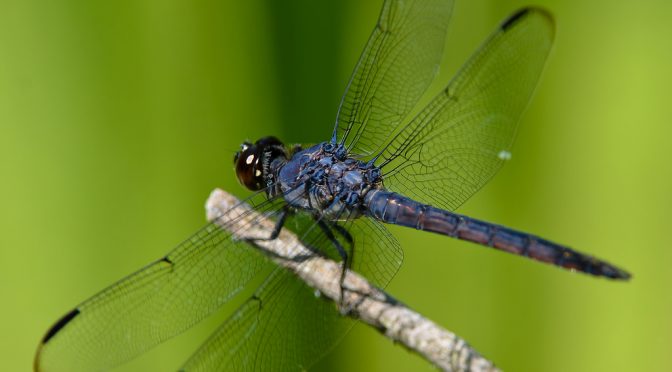
Emily and I were quite curious about what we caught, so we decided to take a sneak peek. Peering into the bottle, we noticed an abundance of a large mosquito-like insect, commonly called a crane fly.

Crane flies come from the family Tipulidae and there are over 4,000 species found worldwide. Although they look like large mosquitoes, crane flies will not bite animals or humans. Crane flies will feed on nectar, or they will not eat at all; most adult crane flies will only mate then die. Because many species of crane flies are quite large and very abundant, they are easily preyed upon by birds, mammals, fishes, and other vertebrates, as well as by spiders and predacious insects.

We are excited to hear about what you caught in your traps!
We are happy to be participating in the study again this year! Three classes of grade 9 students taught by Ms. Bender and Mr. Neerhof are studying the importance of biodiversity in sustainable ecosystems. The trap was deployed last Friday, with the collection bottle attached this past (very chilly) Monday morning. We have few specimens to report, and we are hoping that the nice weather this week contributes to more insect activity.
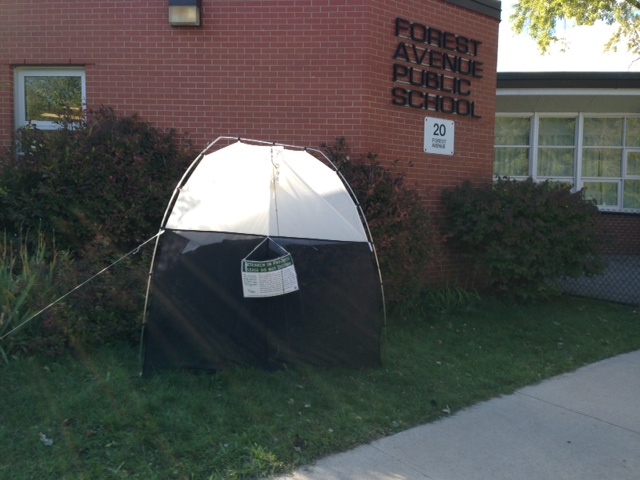
Great set up yesterday, however we have very few insects collected. The set up is on a grass patch near the classroom. Students predict that we will not get much insect collection at this site due to the lack of vegetation.


The trap at St. Charles College in Sudbury is up, running and visible from my classroom. Unfortunately for us, though, the weather became unseasonably cold and wet for the past few days. We have a few insects in the trap at this point, but not many. However, we are supposed to be in for some warm sunny weather for the remainder of the week; hopefully we get a lot more in the way of insects.
One thing I think would be useful would be clear plastic collection bottles. That way we could see what types of insects are actually in the bottle.
Dasmesh Punjabi School – Malaise Trap 2014 Fall
Language Arts – Each student chose an insect common in Ontario and learned everything there was to know about that bug. They presented their info orally and in Microsoft Powerpoint.
Students are extra excited to look for their bug in the trap and in the field 🙂
Claire Gulliver- Jack Chambers P.S.
Today we went out to check on our trap for the first time. We discovered that the collection bottle had fallen off. So we decided to put the week two bottle on and are waiting for further instructions. We did see little bugs in the top bottle, so we know they’re out there!
Jacob

We are all set up and ready to start collecting! My students are very excited to go see what we’ve captured! They are all divided in groups and will take turns to record our daily activity! Stay tuned!
Today our grade fours set up the trap at the front of the school. We set it in front of our garden so that the bugs still had a flyway across and into it. We’re excited. Many of our co-participants have such varied landscapes ~ fields, ponds, etc. It will be so interesting to compare the results! Many thanks to Evergreen for sharing their creative barcoding art activity. What a great way to bring the DNA concepts to one’s initial learning of it!